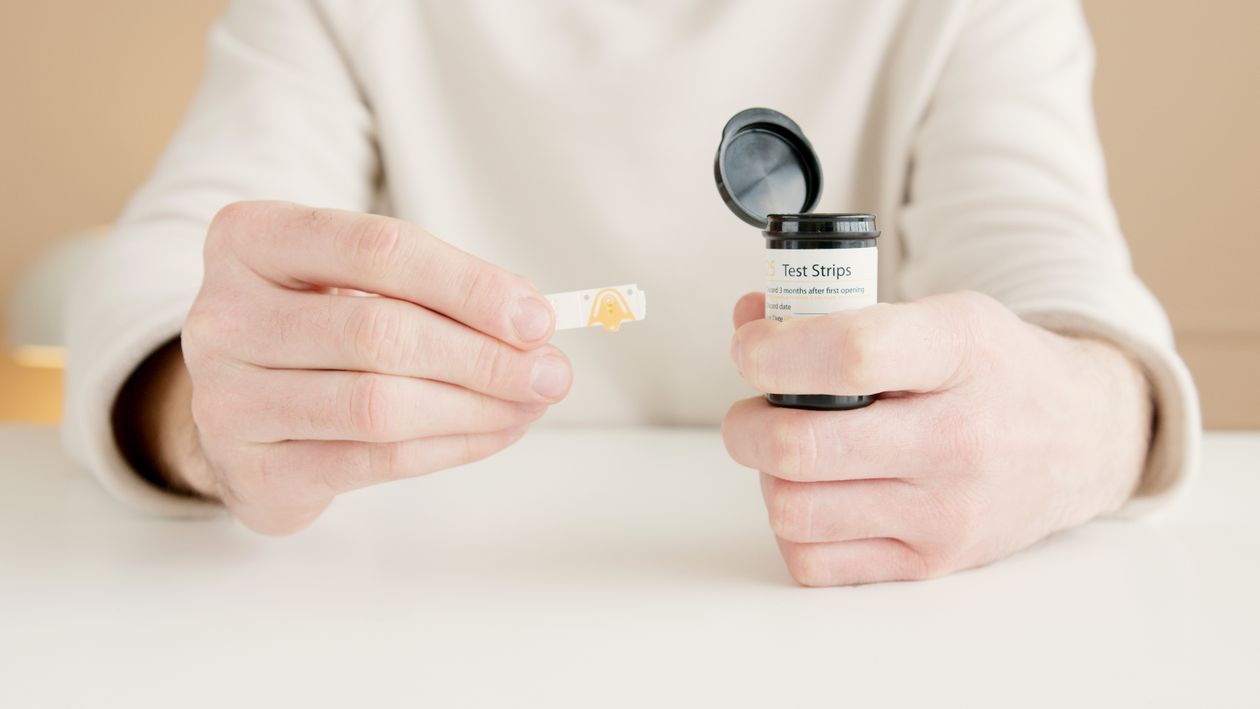
The four-compound blood sugar stack of berberine, chromium, cinnamon extract, and alpha-lipoic acid (ALA) is a combination of dietary supplements studied for their effects on fasting glucose, postprandial (after-meal) glucose, hemoglobin A1c, and insulin sensitivity in adults with type 2 diabetes, pre-diabetes, or metabolic syndrome. Each compound has a distinct mechanism, a distinct quality of evidence, and a distinct safety profile. The honest answer to "do they actually work" requires going trial by trial: sample sizes, durations, observed effect sizes, p-values where notable, and the limitations that keep enthusiasm in check.
The short version: berberine has the strongest data of the four and the effect size of a low-dose pharmaceutical. Cinnamon extract has a real but smaller effect on fasting glucose. ALA has solid evidence for insulin sensitivity and excellent evidence for diabetic neuropathy, but more modest data for standalone glycemic control. Chromium has the weakest case for non-deficient adults, and its inclusion in stacks is more historical than evidence-driven. None of these compounds replaces medical management of diabetes, and several can interact dangerously with prescription glucose-lowering drugs.
Why The Evidence Base Matters
The supplement industry sells the four-compound stack as a category, often in single capsules. The published research does not test it that way. Almost every trial of relevance tested one compound at a time, against placebo or against a single comparator drug, in a defined population. Pooling compounds into a single "blood sugar support" claim obscures what the data actually says, which is that each compound has its own evidence ceiling and its own appropriate use case.
The practical buying guide on our blood sugar support page answers the "what should I take" question at a category level. The questions searched repeatedly as multi-part research queries ("berberine cinnamon chromium meta analysis," "studies limitations," "peer reviewed") are different. Those are evidence questions, and they deserve evidence answers.
Berberine: The Strongest Case
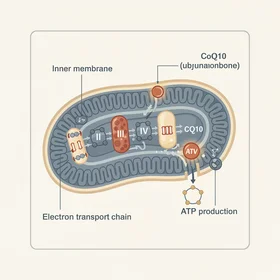
Berberine is an isoquinoline alkaloid extracted from several plants (Berberis aristata, Coptis chinensis, Hydrastis canadensis, others). It activates AMP-activated protein kinase (AMPK), the same intracellular energy-sensing pathway activated by metformin. That mechanistic overlap is the reason berberine has been compared head-to-head with metformin in clinical trials, an unusual distinction for a botanical compound.
The Yin 2008 Comparison Trial
The most-cited berberine trial is Yin et al., published in Metabolism in 2008. The study enrolled 36 newly diagnosed type 2 diabetics in China and randomized them to either berberine 500mg three times daily or metformin 500mg three times daily for three months. The berberine arm dropped HbA1c by 2.0 percentage points (from 9.5 to 7.5) and fasting plasma glucose by 56 mg/dL. The metformin arm dropped HbA1c by 1.9 percentage points and fasting glucose by 53 mg/dL. The differences between groups were not statistically significant, meaning berberine performed comparably to a first-line antidiabetic drug in this small, short trial (Yin J, et al., Metabolism, 2008).
Two cautions on this trial. First, n=36 is small. Effect sizes in small trials are inflated relative to larger replications, a pattern documented across clinical research. Second, the baseline HbA1c of 9.5 percent is high, which means there was substantial room for improvement. Effect sizes in trials with lower baseline HbA1c are typically smaller, often considerably so.
The Lan 2015 Meta-Analysis
A more comprehensive view comes from Lan et al., published in the Journal of Ethnopharmacology in 2015. The meta-analysis pooled 27 randomized trials covering 2,569 patients, evaluating berberine for type 2 diabetes, hyperlipidemia, and hypertension. For glycemic outcomes, the pooled HbA1c reduction was 0.71 percentage points (95% CI 0.43 to 0.99) and the pooled fasting glucose reduction was approximately 27 mg/dL versus placebo or lifestyle intervention. Berberine combined with oral hypoglycemic drugs produced additive reductions, a finding with both efficacy and safety implications (Lan J, et al., Journal of Ethnopharmacology, 2015).
Dong et al. (Evidence-Based Complementary and Alternative Medicine, 2012) ran an earlier meta-analysis with similar findings: 14 trials, 1,068 patients, mean HbA1c reduction around 0.7 percentage points with berberine as monotherapy and additive benefit when combined with sulfonylureas, metformin, or insulin.
Dosing and Bioavailability
Across positive trials the consistent dose is 500mg two to three times daily with meals. Single daily doses underperform because berberine has poor oral bioavailability (below 5 percent), and split dosing maintains more consistent plasma exposure. Dihydroberberine and phytosome formulations claim improved absorption, but head-to-head clinical data is limited.
Chromium: The Weakest of the Four
Chromium is an essential trace mineral that, in its trivalent form (Cr-III), is hypothesized to potentiate insulin signaling via a low-molecular-weight chromium-binding substance (LMWCr, sometimes called chromodulin). The story sounds clean: chromium deficiency impairs glucose tolerance, so chromium supplementation should improve it. The data is messier.
The Anderson 1997 Trial
The classic positive trial is Anderson et al., published in Diabetes in 1997. The study enrolled 180 Chinese adults with type 2 diabetes and randomized them to placebo, chromium picolinate 200 mcg/day, or chromium picolinate 1,000 mcg/day for four months. The high-dose arm showed HbA1c reductions of 0.7 percentage points at two months and 1.0 percentage points at four months, with statistically significant improvements in fasting glucose, two-hour postprandial glucose, and insulin levels. The low-dose arm showed smaller but still significant improvements (Anderson RA, et al., Diabetes, 1997).
The Costello 2016 Systematic Review
The Anderson trial drove enthusiasm and a generation of supplement formulations. But subsequent replication has been inconsistent. Costello, Dwyer, and Bailey published a systematic review titled "Chromium supplements for glycemic control in type 2 diabetes: limited evidence of effectiveness" in Nutrition Reviews in 2016. After reviewing the available randomized trials and meta-analyses, the authors concluded that the evidence does not consistently support a meaningful glycemic effect of chromium supplementation in well-nourished populations. Effect sizes that appear in some pooled analyses are small and heavily influenced by a few positive trials (notably the Chinese trials), with Western trial populations generally showing minimal benefit (Costello RB, et al., Nutrition Reviews, 2016).
The likely explanation is baseline chromium status. Populations with marginal chromium intake (which may have been more common in the Chinese trial cohorts of the 1990s) respond to supplementation. Populations with adequate baseline status do not. Chromium remains in stack formulations largely for historical reasons, not because the modern evidence supports a meaningful effect in typical Western consumers.
Cinnamon Extract: A Modest, Real Effect on Fasting Glucose

Cinnamon contains compounds (notably methylhydroxychalcone polymer, or MHCP, and various proanthocyanidins) that appear to potentiate insulin signaling and slow gastric emptying. Two species dominate the supplement market: Cinnamomum verum (Ceylon, or "true" cinnamon) and Cinnamomum cassia (Chinese or Cassia cinnamon). Cassia is more common and cheaper, but contains coumarin at levels that raise hepatotoxicity concerns with daily supplemental use. Ceylon contains negligible coumarin. Most published trials used Cassia, which creates a translation problem for safety-conscious supplementation guidance.
The Khan 2003 Trial
The trial that put cinnamon on the supplement map was Khan et al., published in Diabetes Care in 2003. The study enrolled 60 Pakistani adults with type 2 diabetes and randomized them to 1g, 3g, or 6g of Cassia cinnamon daily or placebo for 40 days. All three cinnamon doses produced fasting glucose reductions of 18 to 29 percent and triglyceride reductions of 23 to 30 percent compared to placebo. The result was striking but the trial small, short, and never fully replicated at the original effect size (Khan A, et al., Diabetes Care, 2003).
The Allen 2013 Meta-Analysis
Allen et al. published an updated systematic review and meta-analysis in Annals of Family Medicine in 2013, pooling 10 randomized trials covering 543 patients with type 2 diabetes. The pooled fasting plasma glucose reduction was approximately 24.6 mg/dL (95% CI 16.7 to 32.5). Pooled HbA1c reduction was 0.16 percentage points, which did not reach statistical significance in all sub-analyses. Triglycerides also dropped meaningfully (Allen RW, et al., Annals of Family Medicine, 2013).
The Akilen 2010 trial (Diabetic Medicine), a 12-week double-blind RCT in 58 UK type 2 diabetics on 2g/day Cassia cinnamon, found a 0.83 percentage point HbA1c reduction with cinnamon versus 0.37 with placebo, and meaningful systolic and diastolic blood pressure reductions. The Crawford 2009 trial (Journal of the American Board of Family Medicine), a 90-day RCT in 109 U.S. veterans with type 2 diabetes on 1g/day Cassia, found a 0.83 percentage point HbA1c reduction with cinnamon versus 0.37 with usual care alone (Akilen R, et al., Diabetic Medicine, 2010; Crawford P, JABFM, 2009).
The honest summary: cinnamon produces a real but small fasting glucose effect, with HbA1c effects that vary across trials and populations. The pooled meta-analytic effect on HbA1c is smaller than the pooled effect on fasting glucose, an important nuance for the postprandial-vs-fasting discussion later in this article.
Alpha-Lipoic Acid: Insulin Sensitivity and Neuropathy
Alpha-lipoic acid (ALA, also called thioctic acid) is a sulfur-containing antioxidant synthesized endogenously and found in trace amounts in foods. It is both water and fat soluble, which lets it operate across cellular compartments. ALA has two major lines of clinical evidence in metabolic medicine: insulin sensitivity in type 2 diabetes, and symptomatic diabetic peripheral neuropathy.
The Jacob 1999 Insulin Sensitivity Trial
Jacob et al., publishing in Free Radical Biology and Medicine in 1999, randomized 72 type 2 diabetic patients to oral racemic ALA (600mg, 1200mg, or 1800mg daily) or placebo for four weeks. Insulin-stimulated glucose disposal, measured by hyperinsulinemic-euglycemic clamp (the gold-standard insulin sensitivity measurement), improved by 25 to 27 percent across all three ALA doses with no clear dose-response above 600mg. Placebo showed no change (Jacob S, et al., Free Radical Biology & Medicine, 1999).
The Ansar 2011 Glycemic Trial
Ansar et al., publishing in the Saudi Medical Journal in 2011, ran a smaller (n=57) eight-week RCT of 300mg/day ALA versus placebo in type 2 diabetics. Fasting blood glucose dropped from 154 to 116 mg/dL in the ALA arm, with no significant change in the placebo arm. Insulin resistance (HOMA-IR) improved significantly in the ALA arm. The trial was short and small, but consistent with the broader signal that ALA improves insulin sensitivity at clinically practical doses (Ansar H, et al., Saudi Medical Journal, 2011).
The NATHAN 1 Neuropathy Trial
The most rigorous ALA trial is NATHAN 1 (Ziegler et al., Diabetes Care, 2011), a four-year, multicenter, randomized, double-blind, placebo-controlled trial in 460 diabetic patients with mild-to-moderate distal symmetric polyneuropathy. The primary outcome was a composite score of neuropathy impairment. Oral ALA 600mg/day improved the composite score significantly versus placebo, with the largest gains in the subgroup with normal BMI and well-controlled diabetes. NATHAN 1 is the trial that established oral ALA as a credible intervention for diabetic neuropathy symptoms, distinct from its glycemic effects (Ziegler D, et al., Diabetes Care, 2011).
Postprandial vs Fasting Glucose: What The Data Shows

Fasting plasma glucose (FPG) and postprandial (after-meal) glucose are not the same metric, and they do not respond identically to the four compounds. This distinction matters because cardiovascular risk in type 2 diabetes appears to track postprandial spikes more tightly than fasting values, and HbA1c is influenced by both.
Berberine reduces both. The Yin 2008 trial reported a 44 percent reduction in postprandial glucose alongside the fasting and HbA1c improvements, consistent with AMPK activation plus alpha-glucosidase inhibition acting across fed and fasting states.
Cinnamon has its strongest signal on fasting glucose. Acute postprandial trials (cinnamon given with a standardized meal) show modest dampening of the post-meal spike, plausibly through slowed gastric emptying, but the HbA1c effect (which integrates both fasting and postprandial exposure) is smaller than the fasting-glucose effect alone.
Alpha-lipoic acid improves insulin sensitivity by direct clamp measurement, which translates more to muscle glucose uptake during the postprandial window than to fasting hepatic glucose output.
Chromium evidence, where positive, includes both fasting and postprandial effects (the Anderson 1997 trial measured both), but inconsistent replication limits confident projection to any new user.
Practically: someone whose primary issue is high fasting glucose with controlled post-meal excursions has a different optimal stack than someone with adequate fasting glucose but pronounced post-meal spikes. The first profile favors berberine and ALA; the second favors berberine and possibly cinnamon with meals. Continuous glucose monitor data makes this segmentation feasible. Without it, fasting glucose and HbA1c are the workable proxies.
What About Combining All Four?
The honest answer: the four-compound combination has not been studied in any rigorous clinical trial as of this writing. Pairwise combinations exist (berberine plus oral hypoglycemics in the Lan 2015 meta-analytic subgroup, for example), but the specific stack of berberine, chromium, cinnamon, and ALA given together at clinically studied individual doses lacks a defining trial.
Two implications follow. The marketing claim that the four work synergistically is mechanistic speculation, not a tested clinical finding. And additive hypoglycemic effects are biologically plausible, meaning the stack carries proportionally higher hypoglycemia risk for anyone on glucose-lowering medication. This stack should not be self-prescribed by anyone taking insulin, sulfonylureas, meglitinides, metformin, or any other glucose-lowering drug without close physician supervision.
Research Limitations
Every section above describes positive trials. The skeptical reader rightly asks: where is the data weakest? Six honest limitations apply across this body of research.
1. Heterogeneity Across Trials
The meta-analyses cited above pool trials that vary in patient population (newly diagnosed vs long-standing diabetes, lean vs obese, East Asian vs Western European cohorts), baseline HbA1c (from near-normal to above 9 percent), duration (4 weeks to 4 years), and concurrent medication. Heterogeneity inflates variance around pooled estimates and limits how confidently any single pooled number transfers to a specific individual.
2. Small Sample Sizes in Foundational Trials
The Yin 2008 berberine trial (n=36), the Khan 2003 cinnamon trial (n=60), and the Jacob 1999 ALA trial (n=72) are small. Small trials systematically overestimate effect sizes due to regression to the mean and publication bias. Larger replications generally produce more conservative effects: the Yin 2008 HbA1c drop of 2.0 percentage points is roughly three times the pooled meta-analytic estimate from Lan 2015.
3. Geographic and Industry Funding Patterns
Berberine trials concentrate in China, cinnamon trials in South Asia and the Middle East. Chromium picolinate trials show a pattern of positive results from industry-funded investigators with smaller or null effects from independent replications. None of this invalidates findings, but pooled estimates should be interpreted with awareness of who funded the underlying work and where it was conducted.
4. Dose and Formulation Variability
"Cinnamon" in trials can mean Cassia or Ceylon, whole-bark powder or aqueous or ethanolic extract, doses from 1g to 6g daily. "Berberine" can mean standard berberine HCl, dihydroberberine, or phytosome formulations with substantially different bioavailability. "ALA" can be racemic or R-ALA only. Meta-analyses pooling across these formulations report a hybrid effect that does not cleanly translate to any specific commercial product.
5. Baseline Metabolic Status Drives Response
Effect sizes in trials with higher baseline HbA1c (above 8 percent) are systematically larger than in trials with near-normal baselines. A pre-diabetic with HbA1c of 5.9 percent will not see the 2-percentage-point drop reported in Yin 2008's cohort with baseline 9.5 percent. Failing to translate trial results to your own baseline is the most common interpretive error in this literature.
6. Limited Long-Term and Hard-Outcome Data
Almost all trials measure surrogate outcomes (HbA1c, fasting glucose, insulin sensitivity) over weeks to months. The NATHAN 1 ALA trial at 4 years is an unusual exception. None of these compounds has a CVOT (cardiovascular outcomes trial) of the kind required for modern antidiabetic drug approval. We do not know with confidence whether long-term use translates to reduced cardiovascular events or mortality, which is the outcome that matters most in diabetes care.
What To Know Before Using Any of These
The category-page blood sugar support guide covers the practical buying considerations. A few additional points specific to the evidence base bear emphasis:
- Berberine and CYP-mediated drug interactions. Berberine inhibits CYP3A4, CYP2D6, and P-glycoprotein. The list of drugs metabolized by these pathways is long and includes statins, calcium channel blockers, many antibiotics, several antidepressants, and others. Berberine combined with metformin produces additive glucose lowering, which can mean additive hypoglycemia risk in tightly controlled patients.
- Ceylon vs Cassia is not a marketing distinction. The coumarin content of Cassia cinnamon at typical supplemental doses approaches or exceeds the European Food Safety Authority tolerable daily intake. Ceylon (Cinnamomum verum) contains roughly 1/250th the coumarin per gram. For long-term daily supplementation, Ceylon is the appropriate choice even if most clinical trials used Cassia.
- Chromium picolinate has a chromium-binding profile. Most positive trials used chromium picolinate at 200 to 1,000 mcg daily. Picolinate is the studied form, not chromium polynicotinate or other variants. Doses above 1,000 mcg/day do not have a clear evidence advantage and approach the upper limit of cautious recommendation.
- R-ALA versus racemic ALA. The R-enantiomer is the biologically active form. Racemic ALA (R and S mixed) was used in most trials including NATHAN 1, so the trial data applies to racemic preparations. R-ALA-only products may be more potent per milligram, but the trial-validated dosing translates more directly to racemic forms.
- Hypoglycemia is the primary acute safety concern. All four compounds can lower blood glucose. Stacking them, especially with prescription glucose-lowering medication, can produce hypoglycemia (shakiness, sweating, confusion, hunger, in severe cases loss of consciousness). Anyone using these supplements while on antidiabetic medication should monitor glucose more frequently for at least the first two weeks of any new regimen.
The cleanest reading of the evidence is that berberine and alpha-lipoic acid are the two compounds with the strongest case for any role in supporting metabolic health, cinnamon has a modest fasting-glucose effect that is real but not transformative, and chromium is largely a legacy ingredient whose data does not justify its prominence in current stack formulations.
The Supplement Guide editorial team
Practical Takeaways

Treat the four-compound stack as a category of options, not a single regimen. The trial data supports each compound individually for specific outcomes. It does not support the marketed claim that the four together do something more than the sum of their parts.
The question "does it work" depends on the outcome. For HbA1c reduction in moderately uncontrolled type 2 diabetes, berberine has the cleanest evidence at roughly 0.7 percentage points pooled. For insulin sensitivity, ALA has the cleanest evidence. For diabetic neuropathy symptoms, ALA at 600mg/day has 4-year placebo-controlled data. For fasting glucose at the margins, Ceylon cinnamon at 1 to 2 grams daily is a defensible low-risk addition. For chromium, supplementation is most justified when baseline status is marginal, which is uncommon in well-fed populations.
None of this displaces lifestyle intervention or prescribed pharmacotherapy. Effect sizes for even the best-studied compounds are smaller than the effects of sustained weight loss, structured exercise, or first-line antidiabetic drugs. Supplements layer onto a foundation; they do not replace one. The people most likely to benefit are those with elevated baseline glucose who are not yet on aggressive pharmacotherapy, who can monitor glucose accurately, and who are working with a physician who knows what they are taking.
Related Reading
For the practical buying guide that pairs with this evidence review, see our blood sugar support category page. For metabolic-cardiovascular crosstalk and the lipid implications of berberine, see our heart health guide. For the role of caloric deficit and protein in glycemic control (often more impactful than any single supplement), see our weight management guide.
Across the broader independent supplement web: latest supplement research covers FDA enforcement actions and ingredient recalls in this category, including periodic recalls of berberine-labeled products with undeclared pharmaceutical ingredients. Top Supplements publishes head-to-head product comparisons across blood sugar formulations. Vitamin Review covers ingredient quality and third-party testing data on common product lines in this category.
Editorial note: this article reviews published clinical research and is not medical advice. Dietary supplements are not FDA-approved for the diagnosis, treatment, cure, or prevention of any disease. Anyone considering supplementation for blood sugar concerns, particularly anyone on antidiabetic medication, should discuss specific products and doses with a physician before beginning.